


Diseases of the spine are serious pathologies that change the normal physiology of both the axial skeleton and the whole organism as a whole.Damage to only one cervical region leads to disruption of the pituitary gland, thyroid gland, organs of vision and hearing, shoulder and elbow joints.Therefore, every person who cares about his health should know the causes of the development of osteochondrosis of the cervical spine, the main symptoms, methods of treatment and prevention.
What is cervical osteochondrosis
The human cervical spine consists of 7 vertebrae connected by elastic discs.Usually the vertebrae are located close to each other, firmly hold the head and participate in the movement.The first signs of the disease appear in a person aged 25-45 years.Osteochondrosis of the cervical vertebrae develops - degenerative-dystrophic changes in the intervertebral discs.Their reduction leads to compression and displacement of nerves and blood vessels.If osteochondrosis is not treated, the disease begins to progress rapidly.
Causes of development of cervical osteochondrosis
Let's consider the main causes of cervical osteochondrosis:
- lack of physical activity or, conversely, excessive stress;
- sedentary life, sedentary work;
- poor posture such as scoliosis;
- constant stress, nervous tension.
Other causes of cervical osteochondrosis are injuries, hereditary diseases: genetic predisposition, intrauterine trauma.
Symptoms of osteochondrosis of the cervical vertebrae

The symptoms of cervical osteochondrosis are very diverse and depend on the stage of development of the disease:
| 1st degree | The symptoms are mild, sometimes there are small lumbago, sleep disorders and headaches.But the small first signs do not cause great concern, so people do not consult a doctor. |
| 2nd degree | The pictures show protrusions and a decrease in the height of the intervertebral discs.The pain becomes constant, stiffness and numbness appear in the areas of the face and head.A cough occurs.Migraine pains develop, nausea and dizziness intensify.Sleep is disturbed and fatigue increases.Cardiovascular activity disorders are observed. |
| 3rd degree | The development of intervertebral hernias in cervical osteochondrosis leads to compression of nearby tissues - vessels, nerves.There is a strong, painful pain in the back of the head and neck, dizziness and nausea appear.Patients feel weakness and numbness in their hands.Muscle tone changes, tension appears in the neck muscles.Patients experience the development of sclerosis. |
| 4th degree | The appearance of osteophytes leads to narrowing of the intervertebral openings, pinching of nerves and joint damage.All symptoms intensify and become permanent.At this stage, there is a decrease in the signs of osteochondrosis of the cervical spine, due to the fact that the vertebrae practically grow together and mobility decreases.Lack of treatment at this stage can lead to disability. |
Since from each vertebra the nerves approach certain organs, the localization of the damage can be determined by the clinical manifestations of the disease.
Cervical osteochondrosis syndrome

With osteochondrosis of the cervical spine, compression and pinching of the spinal nerve roots occurs.This pathology is rare.This is due to the fact that the cervical ligaments are strong and the hernial protrusions practically do not protrude from the intervertebral openings.
Radicular syndromes
Radicular syndromes are caused by oxygen starvation of the latter.
Irritative-reflex syndromes
Irritative-reflex syndromes are characterized by burning, sharp occipital or cervical pain.Occurs with movement of the head after prolonged tension caused by a long, immobile position of the neck.Unpleasant sensations in the chest and shoulder joints also appear.
Cardiac syndrome
Cardiac syndrome resembles angina pectoris.Patients complain of pain in the heart that occurs during physical or emotional stress.But when examining the work of the heart, no pathology is found, and cardiac drugs do not bring relief.Cardiac syndrome develops in suspicious people with a tendency to phobias.For treatment, such patients may need the help of a psychotherapist or psychiatrist.
Why is cervical osteochondrosis dangerous?
Osteochondrosis of the cervical vertebrae is an insidious disease.One of the biggest dangers is the narrowing of the heart (coronary) vessels, which can lead to a heart attack.
A severe headache with osteochondrosis of the cervical spine leads to a decrease in a person's memory and working capacity and the inability to perform professional duties.
Changes in the vertebrae and intervertebral discs cause numbness of the roots, accompanied by dysfunction of the corresponding organs or leading to disability.

Diagnosis of cervical osteochondrosis
If you have neck problems, you should consult a neurologist or orthopedist.The diagnosis of cervical osteochondrosis is made based on the patient's complaints, life history, examination, examination.
To clarify the diagnosis, it is necessary to make X-rays, computed tomography or nuclear magnetic resonance to identify protrusions or hernias.In case of symptoms of cerebral circulation disorders, an ultrasound of the vessels of the neck, cerebral encephalography and fundus examination are performed.In the case of various symptoms affecting other organs, additional diagnostics are performed, which are prescribed by a cardiologist or rheumatologist.
How to treat cervical osteochondrosis
Treatment of cervical osteochondrosis should always be carried out comprehensively.All measures are aimed not only at eliminating pain, but also at eliminating other pathological symptoms.Treatment is carried out using such methods and means as:
- drug therapy;
- massage;
- physical therapy;
- unconventional methods;
- surgical intervention.

Drug treatment
Drug therapy for osteochondrosis is aimed at reducing pain in the cervical spine, restoring vascular blood flow and maintaining motor and mental activity.Main groups of drugs:
| Nonsteroidal anti-inflammatory drugs | Medicines relieve inflammation, eliminate pain and have an antipyretic effect.
|
| Muscle relaxants | Decrease in muscle tone and spasm. |
| Vascular drugs | They improve blood flow in the vessels, relieve headaches, vertigo, tinnitus, flashing "visions" and help restore memory. |
| Venotonics | Venotonics are prescribed when there is a violation of venous blood flow to the head. |
| Antispasmodics | Reduces spasms of cerebral vessels. |
| General strengthening: ginkgo biloba, ginseng | Prescribed for cerebrospinal fluid hypotension. |
| Serotonin receptor agonists | Increases arterial tone. |
| Neurotropes | It is prescribed for vertigo and tinnitus. |
| Diuretics | Reduce swelling in pinched tissues. |
| Chondroprotectors | Prevents the destruction of cartilage tissue and intervertebral discs. |
| Tranquilizers and antidepressants | They reduce nervous tension, anxiety, depression, depression and increased fatigue. |
| Group B vitamins, complex vitamin preparations | Improves trophic (nutrition) of cartilage and nerve tissue.It is prescribed in the form of tablets or injections (during an exacerbation). |
Attention: Medicines for the treatment of osteochondrosis, in addition to the therapeutic effect, can have side effects and have serious contraindications.Therefore, in no case do not self-medicate.Only a specialist, a neurologist, can prescribe the necessary drugs, individually choose the dose and determine the duration of taking the drugs.
The first aid for a disease in the stage of severe exacerbation is a therapeutic and medicinal blockade, which only a specialist has the right to perform.
Surgical treatment of osteochondrosis
Surgical treatment is prescribed for cervical osteochondrosis only in extreme cases, for example, with the formation of osteophytes (marginal growths of the bone tissue of the vertebrae), spondylolisthesis (displacement of the vertebrae) or stenosis (narrowing) of the spinal canal.Surgery is prescribed only if all other methods of treatment have not given a positive effect.
Operations are as gentle as possible, using microsurgical instruments and a microscope.Surgeons most often perform endoscopic operations or microdiscectomy.During the operation, ligaments are cut, the affected spinal fragments are removed, and the hernial protrusions are excised.The postoperative period is usually long, but the prognosis for rehabilitation is favorable.
massage
Massage performed outside the period of exacerbation is prescribed to consolidate the therapeutic effect or for preventive purposes.It is usually prescribed in a course of 10-14 sessions, several times a year.Purpose of the massage:
- improvement of lymph flow;
- normalizes blood circulation;
- relax the muscles of the neck, collar area;
- improving nutrition of cartilage tissue;
- preventing the further development of the disease;
- reducing the risk of relapse.

Which massage to choose - manual or mechanical, which also helps well with cervical osteochondrosis, is decided only by the doctor.
Physiotherapy
Physiotherapy procedures complement other types of treatment and have a beneficial effect on the health of the cervical spine.Physiotherapy procedures are prescribed in the remission stage, relieve pain, muscle spasms, strengthen muscles and restore motor activity.In osteochondrosis, the following is most often used:
- balneotherapy;
- detensor therapy;
- laser therapy;
- magnetic therapy;
- UV therapy.

Non-traditional methods of treatment
Non-traditional methods of treatment complement the official ones and help to quickly deal with problems in the cervical spine.
- Acupuncture.Insertion of needles into specific, painful points along the spine relieves muscle tension, relieves pain, reduces inflammation and improves circulation.
- Dry or underwater extraction.It is prescribed to lift the vertebrae and increase the distance between them.Thanks to this procedure, pain decreases, blood circulation is restored and the load on the joints is reduced.
- Needle applicator.The needle-like spikes of the applicator affect the active points of the cervical spine, restore function and reduce inflammatory processes in muscle and cartilage tissue.
- Leeches.It is not very presentable in appearance, but medical leeches have a unique saliva, the components of which relax muscles, improve trophism in the affected tissues, reduce swelling and relieve pain.
- Hydrotherapy.Water showers, saunas and baths with medicinal herbs complement the traditional forms of treatment.
- Foot massage.Effectively affects the whole organism, relieves fatigue, pain, improves metabolic processes in the spine.
Physical therapy
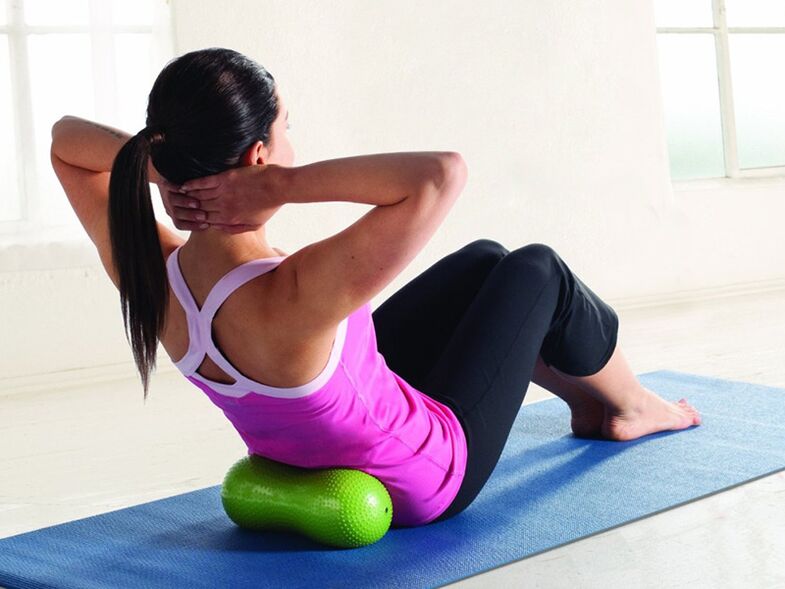
This disease does not like movement, therefore, to get rid of such a serious scourge, it is necessary to make physical exercises firmly in our lives.Therapeutic gymnastics can be performed daily, except for periods of exacerbation.The doctor can help you choose the right exercises, and the first sessions can be done in a physical therapy room under the supervision of a medical professional.
The task of a physical therapist is to show how to perform the exercises correctly, to help choose the right rhythm, amplitude and duration of the exercises.In the future, you should do physical therapy at home, remembering that the load should be increased gradually and all movements should be performed smoothly.
Daily exercises help to strengthen the neck muscles, reduce the load on the intervertebral discs and serve as a good prevention of osteochondrosis.
Prevention of cervical osteochondrosis
It's no secret that prevention is the best cure.And the sooner you do it, the less health problems there will be in the future.
When to start preventive measures?Of course, it's better than childhood.If you are a parent of a preschooler, don't limit your child's natural desire for physical activity.You don't need to enroll him in a sports section - let him run, jump on the street, buy a jump rope, a hoop, a bicycle, a scooter.Make a sports corner at home, invent or find interesting exercises on the Internet, turn them into a game and have fun doing them yourself.
If your child is already a student, pay attention to how he sits at the desk, whether he is comfortable and whether he should not lean too much over notebooks and textbooks.Remember that when sitting in a chair, the child's knees should be bent at an angle of 90 degrees?The same degree should be between the hips and the spine.If the angle is not supported, then you need to adjust the height of the chair or table.The chair should have a comfortable seat, armrests and a high back where you can lean on your elbows while resting.
Pay attention to the height of the monitor - when you are sitting, your eyes should be looking at the top of the monitor and the keyboard should be below elbow level.Check how comfortable it is for you and your child to sit at your desk.Are you comfortable with a sedentary office desk job?If not, think about how you can help yourself.Perhaps you can change the height of your chair, raise the monitor or invest in a stylish footstool.
Watch your posture while working.Without offense, remember how animals sit, for example, your favorite dog, resting the entire surface of the buttocks on the floor, stretching the lower back without bending like a doughnut.After 15-20 minutes you should take a short break.While you are at home, it is easier to warm up - you can stand up, stretch with pleasure, do a few dance moves to the music and stretch your neck.
What can you do in the office if the natural desire to leave the desk often is not welcome?You can use a seated warm-up:
- Smooth turns of the head left and right, up and down, spinning in a circle, clockwise and counterclockwise (be careful not to get dizzy);
- Press your chin to your neck, then to your chest and turn your head left and right;
- Place your palm on your forehead and press as hard as you can (10 seconds), then move your palm to the right, left temple and the back of the head.Do your neck muscles feel tense?incredible;
- Massage your neck, starting from the back of the neck to the shoulders, knead the shoulders, then gently run your fingers from the back of the head to the shoulders several times to ensure an even flow of blood.
The warm-up will be incomplete if you do not take care of the condition of the lower spine and arms:
- Roll your shoulders: 10 times forward and backward, up and down;
- Bring your shoulder blades together and spread them apart, feel how pleasantly the back muscles tense up and thank you.These muscles are engaged in static work, keeping our body upright.But they also get tired faster than others, especially children.This is why children so often seek to change their sitting position.And there's no need to scold them about it;
- To help relax the pelvic spine, tense and relax the gluteal muscles several times;
- Move to your legs, tense and relax the muscles of the thighs, then the shins, toes, repeat this exercise several times;
- Squeeze your hands in a lock, make a "wave" several times, including the hands, elbows and shoulders in the work;
- Make a fist with four fingers and rotate your thumbs several times clockwise and counterclockwise;
- Work with your hand - make a tight fist, then forcefully straighten your hand and spread your fingers wide.
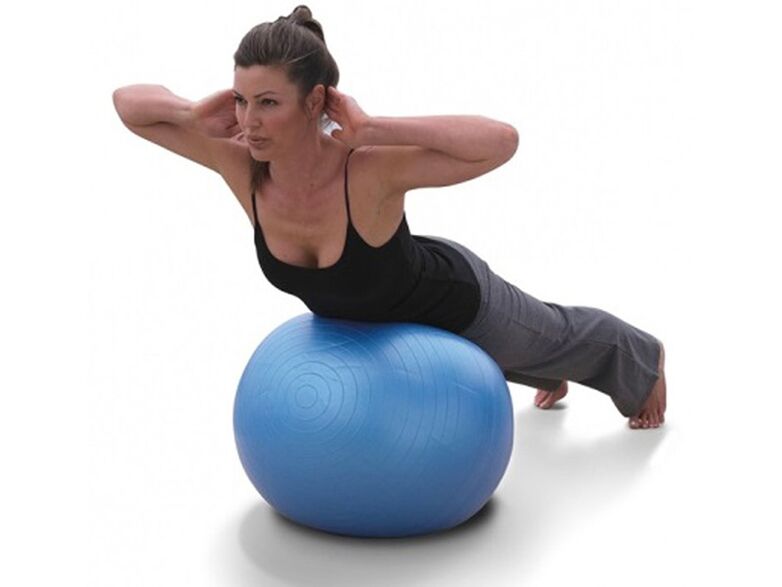
These exercises, depending on the number of repetitions, can take from 3 to 5 minutes.You can do several approaches per day.You may ask why you need to do full body exercises if only the cervical spine is bothering you.The fact is that the entire spine usually suffers, so a general preventive warm-up will only bring benefits.
Interesting: Estonian healer Luule Viilma wrote that every disease is given to a person so that he has time to understand his life.And the faster a person realizes his mistakes in life, the faster recovery will occur.According to L. Viilma, the fear of guilt, accusations, excessive demands on oneself and others are the cause of this disease.Understanding why the disease occurred, forgiving yourself and others is a way to get rid of everything bad and restore health.
Physical activity and simple exercises should be included in your daily routine.You don't have to study for hours, especially if you don't have time for it.You can find short warm-up videos on the Internet.In order to lose weight and reduce the load on the problematic part of the spine, you should pay attention to the system of exercises according to the Tabata method, which involves performing exercises at a high pace, with certain intervals of rest and load.
Attention: Before performing such physical activity, you should consult with specialists and choose the optimal exercises.You cannot practice the use of such a system during periods of exacerbation of osteochondrosis.
To ease the load on the cervical vertebrae, it is good to take care of a comfortable position of the body during sleep.For your neck and head, using the perfect orthopedic pillow is an ideal option.
What else can be said about prevention?Of course, this is a reasonable diet, monitoring the body mass index, exercise, walks in nature and most importantly the desire to be healthy.Our health is in our hands and every person should use this gift.